
Google Ads management
Search, Shopping, Performance Max and Demand Gen as one system that we work on every business day.












































Server-side
Above all, server-side tracking delivers stability. With classic browser tracking, ad blockers, browser tracking prevention and cookie lifetimes all have a say in whether a purchase is recorded at all. With a server-side setup, the handover runs through your own domain and infrastructure, which makes the data more complete and far less vulnerable to browser updates.
It is no end in itself: server-side costs effort to build and run. We recommend it when data loss demonstrably distorts decisions, and we advise against it when well-configured browser tracking is enough for the size of the account.
Consent Mode v2
Consent Mode v2 passes the consent status to Google instead of simply blocking tags. Without consent, only anonymous signals are sent, from which Google models the missing conversions. For advertising in the EEA, passing the two parameters for ads and personalisation is a prerequisite for audience and remarketing features to keep working.
Technically, the implementation sits between consent tool, Tag Manager and shop. The legal assessment of your consent solution belongs with your data protection adviser; we implement what has been decided there and explain what it means for measurability.
Reporting
You need far fewer metrics than most dashboards show. Usually it is revenue and conversion value, ROAS or COS against a target derived from contribution margin, new-customer share and new-customer value, plus the development per market and per product-range segment.
Good tracking makes things visible that were previously only guesswork. At TEVEO, it was the basis for building ten international markets: France, the Netherlands and Switzerland now deliver around a third of conversion value.
10
international markets, TEVEO
≈ 1/3
of conversion value from FR, NL and CH

10
International markets
≈ 1/3
Share of conversion value from France, Netherlands and Switzerland
Build every market at once, then prioritise on what the numbers actually show.
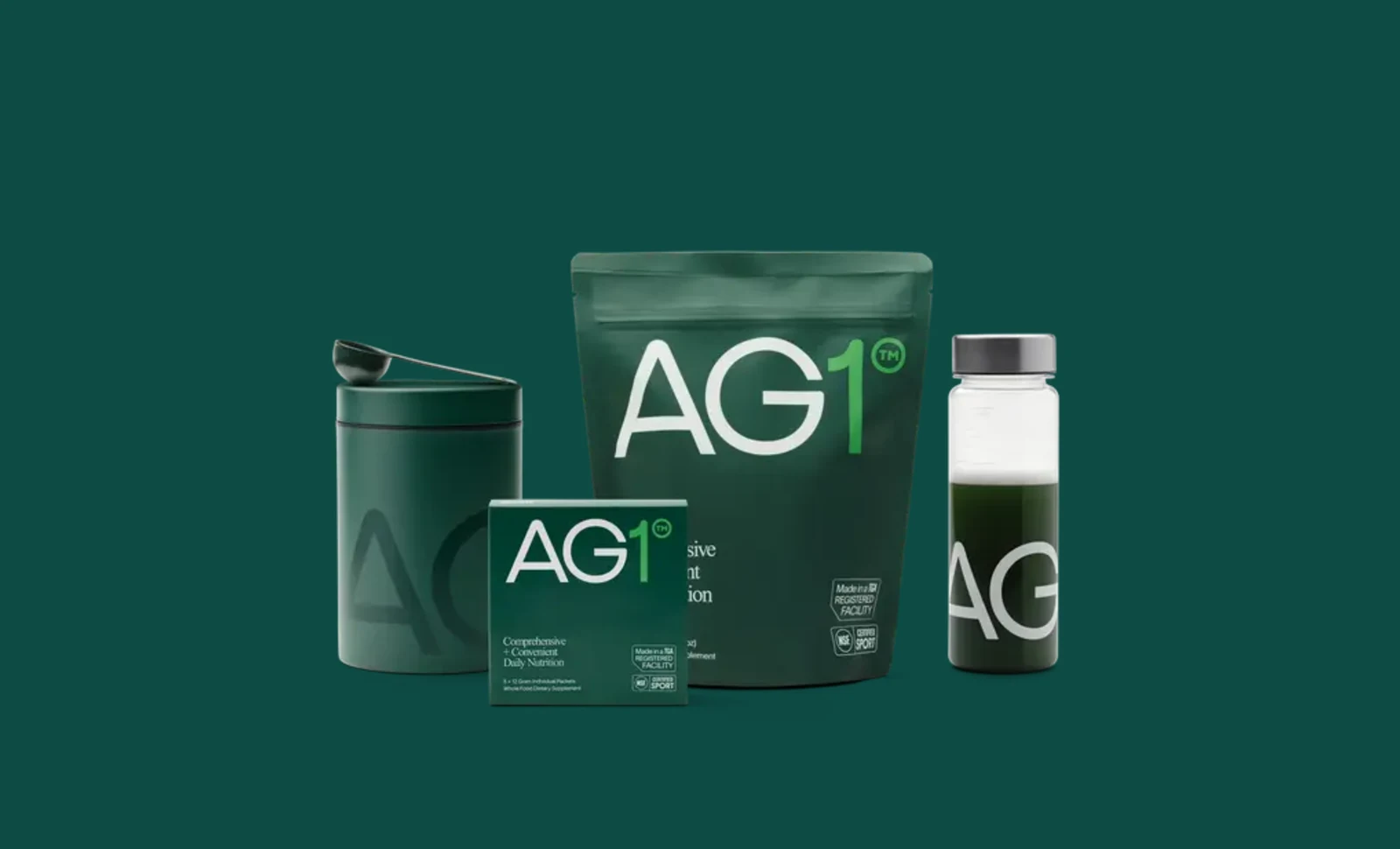
3×
Unique reach
+14%
Incremental purchases
A high TV budget with an unproven incremental effect. How AG1 used YouTube and Demand Gen to achieve 3× unique reach and +14% incremental purchases.

“Simon, Morten and team have been doing a tremendous job optimizing our Google Ads setup with regards to account/campaign structure, feeds optimization, analytics, tracking etc. They are extremely knowledgeable, diligent, reliable and always up for a challenge. With the limited resources we currently have inhouse Touchpoint is the best partner we could imagine!”

“Touchpoint has been supporting us on Google Ads for more than a year now. Both the reporting and the communication are highly professional.”
“Touchpoint is exactly the right partner for us: always flexible, so we can react quickly in our dynamic e-commerce environment.”
“The expertise of Lasse and Simon has led to real optimisations in our account.”

“We have been working with Touchpoint for one and a half years now and are very happy.”

“Collaboration and communication are outstanding. Knowledge and initiatives right at the pulse of the times — top!”

“Touchpoint is a top Google Ads agency that I have been working with for over a year, and I am extremely satisfied.”
“Touchpoint took over the management of our Google account around 10 months ago and has since worked intensively on scaling the account, hitting our profit targets and optimising the account architecture. Touchpoint is always at the forefront of Google Ads innovation and has contacts at Google that allow the account to be optimised beyond the usual level. Working with the team is friendly and reliable — we are happy with our decision for TP!”
“Simon and Marc helped us enormously with our Google Ads. First they built up our account, then handed it over to a new colleague on our side. They are always there when we have questions and impress with their Google Ads expertise, while never losing sight of the bigger commercial picture and the synergies between individual performance channels. I am thrilled. :-) Thank you for everything!”
We quantify the gap between ad account and shop back end and tell you what is causing it.

Search, Shopping, Performance Max and Demand Gen as one system that we work on every business day.
Merchant Center, product feed and Shopping campaigns from a single team, with feed management built in.

Build new demand on YouTube, Shorts, Discover and Gmail, and measure its contribution across the rest of the account.

The additional channel, built specifically for Microsoft, and a straight answer on whether it pays off for you.

Structure, search terms, feed, tracking and budget reviewed, ending in a prioritised roadmap.
Because they count differently: Google Ads backdates a conversion to the time of the click, your shop counts on the day of the order. Add cancellations, returns, order confirmations triggered twice and missing consent. A discrepancy is normal; it only becomes a problem when nobody knows its size.
More complete and more stable data. With browser tracking, ad blockers, browser tracking prevention and cookie lifetimes all have a say in whether a purchase is recorded at all; server-side, the handover runs through your own domain and infrastructure. It costs effort to build and run, so we only recommend it when data loss demonstrably distorts decisions.
Technically: pass the consent status to Google via consent tool and Tag Manager, including the two parameters for ads and personalisation, so that audience and remarketing features keep working. The legal assessment of your consent solution belongs with your data protection adviser; we implement and explain the consequences for measurability.
Enhanced Conversions pass hashed customer data, such as the email address from checkout, so that Google can attribute purchases that get lost via cookies. For shops with a login or checkout data, they are usually the single most effective step towards more complete conversion data, provided consent is given.
The initial review takes a few days. A standard setup on common shop systems is usually in place within two to four weeks, depending on how quickly development and the consent tool are available on your side. Server-side tagging and multilingual multi-market setups take correspondingly longer, because every language and every country gets its own conversion definitions and its own checks.
With the Google stack: Google Tag Manager, GA4, Google Ads conversion tracking, server-side tagging where needed, and BigQuery for analyses GA4 cannot provide. We integrate existing tracking or BI tools instead of replacing them; switching tools is rarely the real solution.
A live dashboard for the daily view and a monthly report that explains what changed and which decision follows from it. We agree the metrics beforehand: usually revenue, conversion value, ROAS or COS, new-customer share and development per market and product-range segment.