
Google Ads management
Search, Shopping, Performance Max and Demand Gen as one system that we work on every business day.














































Campaign logic
Every campaign gets a clear job in the decision process. We separate cold outreach from re-engagement, define one message and one next step per audience, and connect the handover to Search and Shopping cleanly.
That also means no video campaign without a defined landing-page experience. Where the jump from the video leads to a generic home page, the effect fizzles out. The landing page needs to match the ad and the next step.
Creative
We are a Google Ads agency and do not produce videos ourselves. We write the brief, define variants and test logic, and work with your team or your creative agency. What comes from us is the decision about which creative competes against which, and what it is measured on.
In practice, existing material is usually enough to start: product videos, social cuts, user-generated content. Production budget only pays off once a format has proven that it works.
Measurement
The last click is no use here, because it almost always credits revenue to brand search. We therefore work with account-level time series, with geo or on/off tests where the budget allows, and with the development of brand demand as a leading indicator.
Efficiency and growth are allowed to move apart here. We therefore assess new-customer share and revenue development alongside ROAS instead of optimising one metric in isolation.
Integration
Demand created at the top ends up in search further down, usually as brand search, sometimes as category search. If these two areas are not separated in the account, it looks afterwards as if the brand made the revenue and Demand Gen only cost money.
So we separate them beforehand: dedicated campaigns for brand demand, dedicated ones for generic demand, and an eye on the brand’s search volume as a leading indicator. Add matching audience lists, so that Search and Shopping do not buy the newly created demand again at the full cold price.
The reverse case is part of it too: where Demand Gen only reaches people who would have bought anyway, it is expensive retargeting. The new-customer rate shows this; ROAS reveals nothing about it.
3×
Unique reach
+14%
Incremental purchases
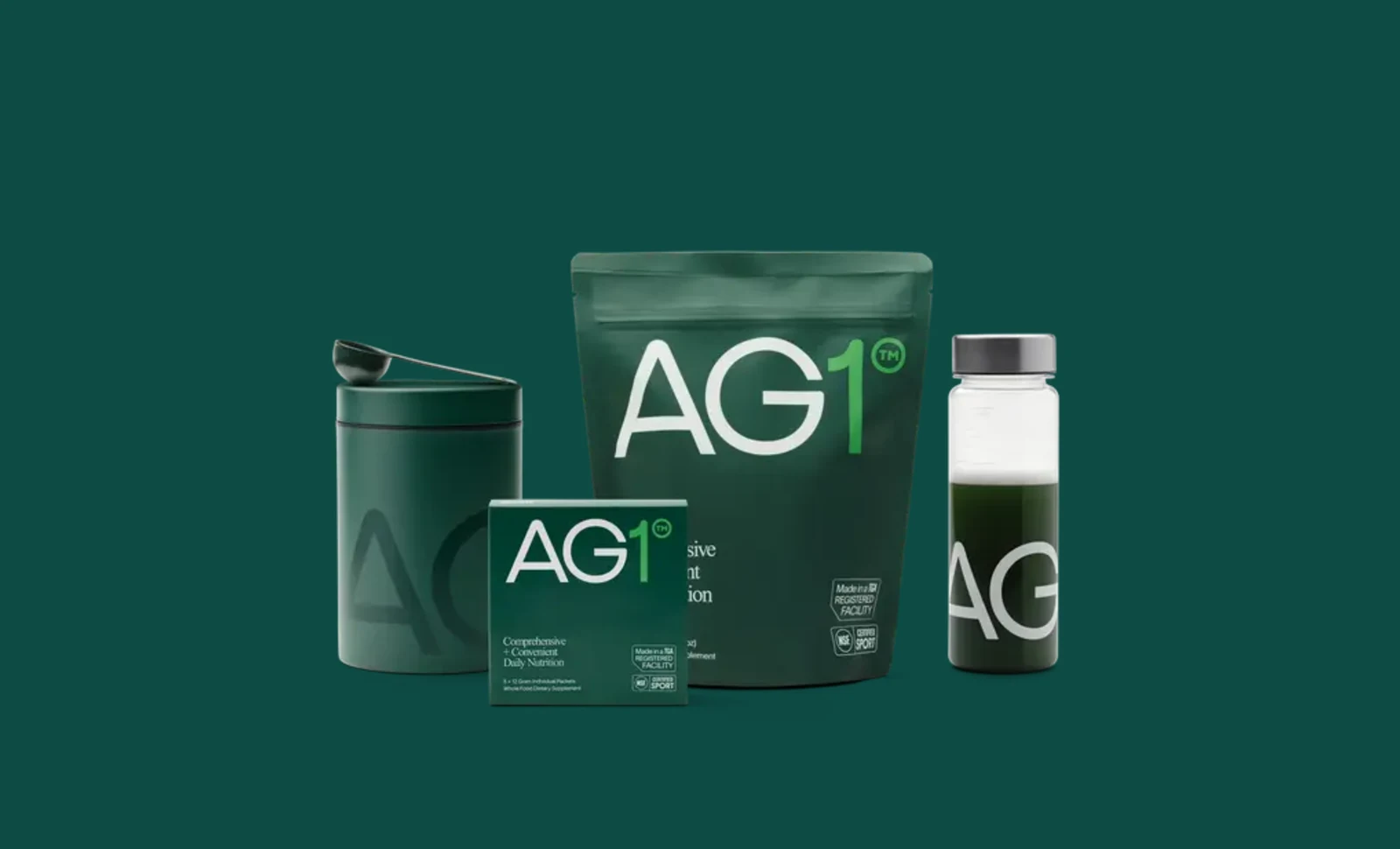
A high TV budget with an unproven incremental effect. How AG1 used YouTube and Demand Gen to achieve 3× unique reach and +14% incremental purchases.

×6.5
Google Ads spend
×7.8
Conversion value
More spend normally means lower efficiency. Here, ROAS still increased.
“Touchpoint is exactly the right partner for us: always flexible, so we can react quickly in our dynamic e-commerce environment.”

“Collaboration and communication are outstanding. Knowledge and initiatives right at the pulse of the times — top!”

“Touchpoint has been supporting us on Google Ads for more than a year now. Both the reporting and the communication are highly professional.”
“The expertise of Lasse and Simon has led to real optimisations in our account.”

“We have been working with Touchpoint for one and a half years now and are very happy.”

“Touchpoint is a top Google Ads agency that I have been working with for over a year, and I am extremely satisfied.”

“Simon, Morten and team have been doing a tremendous job optimizing our Google Ads setup with regards to account/campaign structure, feeds optimization, analytics, tracking etc. They are extremely knowledgeable, diligent, reliable and always up for a challenge. With the limited resources we currently have inhouse Touchpoint is the best partner we could imagine!”
“Touchpoint took over the management of our Google account around 10 months ago and has since worked intensively on scaling the account, hitting our profit targets and optimising the account architecture. Touchpoint is always at the forefront of Google Ads innovation and has contacts at Google that allow the account to be optimised beyond the usual level. Working with the team is friendly and reliable — we are happy with our decision for TP!”
“Simon and Marc helped us enormously with our Google Ads. First they built up our account, then handed it over to a new colleague on our side. They are always there when we have questions and impress with their Google Ads expertise, while never losing sight of the bigger commercial picture and the synergies between individual performance channels. I am thrilled. :-) Thank you for everything!”
We tell you up front whether your account meets the conditions for it.

Search, Shopping, Performance Max and Demand Gen as one system that we work on every business day.
Merchant Center, product feed and Shopping campaigns from a single team, with feed management built in.

The additional channel, built specifically for Microsoft, and a straight answer on whether it pays off for you.
Conversion tracking, Consent Mode v2, server-side and GA4: the foundation to lay before budget scales on top of it.

Structure, search terms, feed, tracking and budget reviewed, ending in a prioritised roadmap.
Demand Gen is Google’s campaign type for YouTube, Shorts, Discover and Gmail. Ads are served on audience and interest signals instead of search terms. It makes sense when your product has a benefit that can be told quickly, the tracking reaches beyond the last click, and Search and Shopping are largely exhausted.
Delivery is billed by views or impressions and is far cheaper per contact than a search click, which says nothing about profitability, because purchase intent is lower. We do not quote flat CPMs; we calculate with the actual auction data in your account.
Every campaign gets a job in the decision process: cold outreach and re-engagement kept separate, one message and one next step per audience, and a matching landing page instead of the home page. This keeps the journey after the click aligned with the ad and the next step.
We are a Google Ads agency, and video production is outside our remit. We deliver the brief, variant logic and test design; production happens with your team or your creative agency. Existing material is usually enough to start: product videos, social cuts, user-generated content. Production budget pays off once a format has proven that it works.
Without relying on the last click, which almost always credits revenue to brand search. We work with account-level time series, geo or on/off tests where the budget allows, and the development of brand demand as a leading indicator. What counts is the effect on the whole account, far more than the campaign row.
There is no universal threshold, but there is a reliable signal: once extra budget in Search and Shopping only pushes up the click price instead of bringing more revenue, you have reached that point. More important than the amount is that the budget stays stable long enough to complete a learning phase.